
UAE car recovery
For urgent and non-running vehicles.
Suitable for breakdowns on the road, at home, near work or in parking when the vehicle needs recovery or transport to a defined destination.
24/7 UAE vehicle service
Recovery, flatbed, tow truck and car crane service for moving and recovering vehicles across all UAE emirates, with dedicated pages for each emirate so users reach the closest relevant service path.
The home gallery gives a quick view of different UAE service contexts: busy city roads, long highway routes, industrial areas, coastal roads, soft ground and parking access cases.
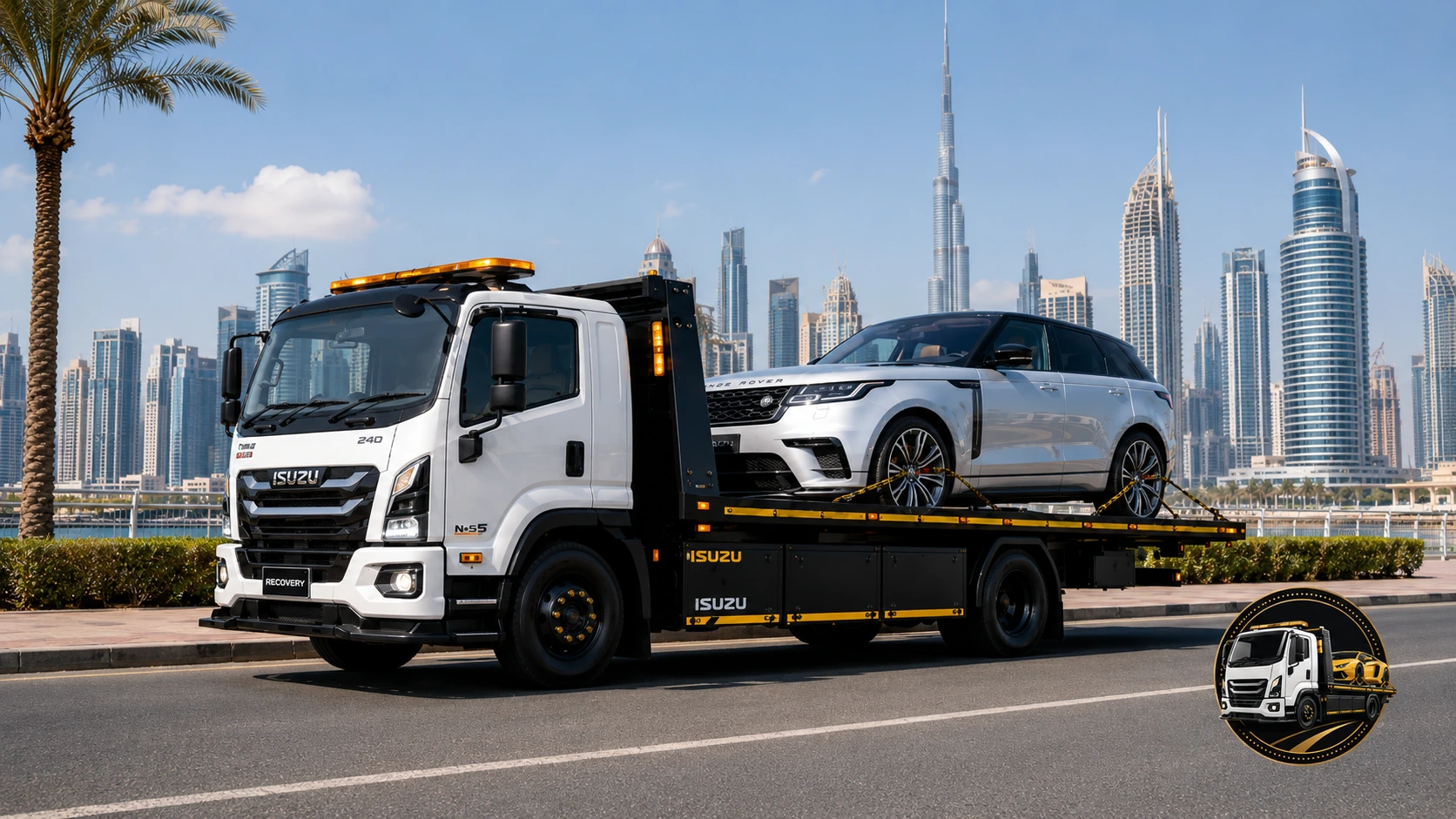
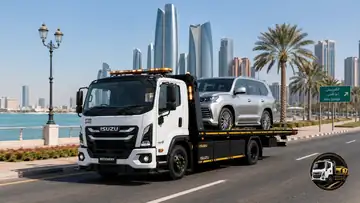
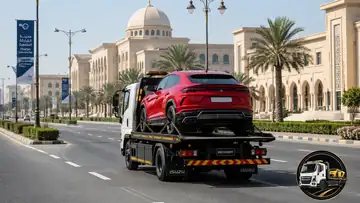
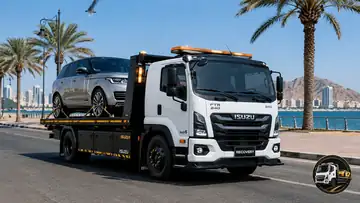
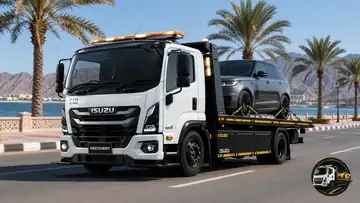
You need recovery when a vehicle stops or should not continue driving, and you need a flatbed when the vehicle must be carried fully to a garage, home, agency or another emirate.
The home page is built to guide the user to the right decision: roadside breakdown, inter-emirate vehicle transport, sand or mud recovery, low-clearance car movement, or a difficult vehicle position after an accident or in tight parking. It does not repeat every emirate page; it organizes the main choices and routes users to the most relevant page.
When someone searches for car recovery near me or the nearest tow truck in the UAE, the live location is important but not enough. Vehicle type, ground clearance, wheel condition, visible damage and pickup environment determine whether a tow truck, flatbed, crane or special loading method is more suitable.
The service scope is vehicle recovery and transport only: daily cars, luxury and sports cars, electric and hybrid cars, motorcycles, light trucks, caravans, boats and jet boats depending on condition, pickup point and destination.
Each emirate has a dedicated page because a recovery request in Dubai is different from Abu Dhabi, Fujairah or Ras Al Khaimah. Choose the closest page for better local details.
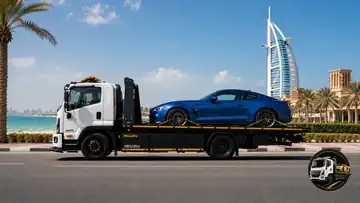 Most competitive page Dubai recovery For towers, parking, Sheikh Zayed Road, Al Quoz, Jebel Ali, Dubai South, Al Qudra and Al Marmoom. Dubai recoveryDubai flatbedDubai tow truck
 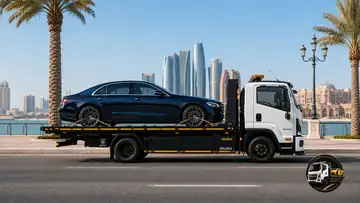 Capital and long routes Abu Dhabi recovery For the city, Yas, Saadiyat, Mussafah, Bani Yas, Al Shamkha, Al Dhafra, Al Ain and outer roads. Abu Dhabi recoveryAbu Dhabi flatbedAbu Dhabi tow truck
 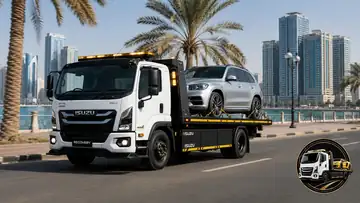 City and industrial zones Sharjah recovery For Sharjah city, industrial areas, malls, Al Dhaid, Mleiha, Al Madam, Khor Fakkan and Kalba. Sharjah recoverySharjah flatbedSharjah tow truck
 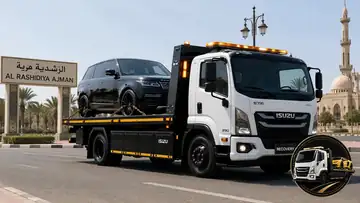 Residential and industrial areas Ajman recovery For Al Nuaimiya, Al Rashidiya, Al Jurf, Al Rawda, Al Hamidiya, Al Mowaihat, industrial areas, Al Zorah, Manama and Masfout. Ajman recoveryAjman flatbedAjman tow truck
  Coast and mountain roads Ras Al Khaimah recovery For Al Marjan Island, Al Hamra, Mina Al Arab, industrial areas, Khor Khwair, Jebel Jais, Shaam, Ghalilah and mountain routes. RAK recoveryRAK flatbedRAK tow truck
  Coast and northern roads Umm Al Quwain recovery For UAQ city, Al Salamah, Al Raas, the port, industrial area, Falaj Al Mualla, Emirates Road and E11 routes. UAQ recoveryUAQ flatbedUAQ tow truck
  Coast, valleys and mountains Fujairah recovery For Fujairah city, Al Hail industrial, port, Dibba, Masafi, Al Aqah, Mirbah, Qidfa and mountain roads. Fujairah recoveryFujairah flatbedFujairah tow truck
 People may search for recovery, tow truck or flatbed, but the safe method depends on the vehicle condition and pickup environment, not only on the search phrase.
For urgent and non-running vehicles.
Suitable for breakdowns on the road, at home, near work or in parking when the vehicle needs recovery or transport to a defined destination.
For carrying the vehicle fully.
Suitable for non-running vehicles, new cars, luxury cars, low-clearance cars or delivery to a garage, agency or another emirate.
For difficult vehicle positions.
Used when a vehicle needs repositioning, partial lifting, accident handling or preparation before loading onto a flatbed.
For stuck vehicles and soft ground.
Ground type, pull direction and depth are checked before moving the vehicle to a safe surface or loading it if needed.
For low-clearance and tight access.
In towers, malls and underground parking, clearance, exit path and wheel condition are checked before choosing the recovery method.
For vehicles needing planned handling.
Covers sports and luxury cars, EVs, motorcycles, caravans, boats and jet boats depending on size and destination.
The user does not need generic copy; they need to know whether the service fits their situation. The content is organized around common UAE vehicle cases.
Send live location, vehicle type, whether it runs and the destination. This defines short recovery versus full transport.
Share parking height, vehicle position and whether wheels can roll to avoid dispatching the wrong method.
A photo of the vehicle and ground helps evaluate pull direction and recovery access before force is applied.
Full platform transport is often preferred with ground clearance, securing points and transport mode considered.
Confirm pickup, delivery, running condition and preferred timing so the route can be arranged properly.
This may need crane support or preparation before flatbed loading, so photos and location reduce evaluation time.
Long-distance transport is not the same as a local pickup. Clear pickup and delivery details make the flatbed selection and route more accurate.
Important for workshops, agencies and home delivery, with vehicle condition confirmed before the route starts.
Common for garage, showroom and inspection transport when the customer does not want to drive the vehicle.
Covers Ras Al Khaimah, Umm Al Quwain and Fujairah, with pickup time and destination planned clearly.
The final drop-off matters as much as the pickup point because it affects routing, unloading and handover.
Vehicle type changes loading, securing and route planning. Details protect the vehicle and make dispatch clearer.
For breakdowns, garage transport, home delivery and movement from parking or inner roads.
Ground clearance, loading angle and securing points need more careful handling.
Often handled as full transport with transport mode, locked wheels and lifting points considered.
Need different securing from normal cars to avoid movement during transport.
Weight, length, height and pickup environment should be checked before choosing the method.
Require size, destination and pickup point details, especially for ports, camps and distant locations.
Pricing should not be random. Distance, vehicle type, loading method, pickup environment and destination all affect the final cost.
The best recovery request includes a clear location, clear vehicle condition and clear destination.
Do not send only the area name; live location saves time on highways, industrial zones and parking areas.
Small car, SUV, sports car, EV, light truck, motorcycle, caravan or boat.
Breakdown, accident, stuck in sand, basement parking, wheels not rolling or transport only.
Garage, agency, home, inspection, port, showroom or another emirate.
You can call 0522450678 or send the vehicle location by WhatsApp on the same number.
Yes, send your live location, vehicle type and condition so the request can be routed by emirate, area and suitable method.
Yes, vehicles can be moved between Dubai, Abu Dhabi, Sharjah, Ajman, Ras Al Khaimah, Umm Al Quwain and Fujairah depending on pickup and destination.
Some nearby and simple cases start from AED 50, while the final price depends on distance, vehicle type, loading method and pickup environment.
Yes, but vehicle model, ground clearance and loading position should be shared so the suitable method can be selected.
Yes, location and a photo help evaluate ground type, pull direction and access before recovery starts.
Send the location, vehicle type and condition, or call directly if the vehicle is stopped on a road or blocking movement.