
High gauge or warning light
Stop safely and follow dashboard instructions instead of hoping the warning will disappear.
Continuing to drive an overheating vehicle can cause significant damage. A high temperature warning or visible steam calls for a safe stop and careful assessment, not opening hot pressurised parts.
General guidance, not a replacement for qualified diagnosis or official instructions.
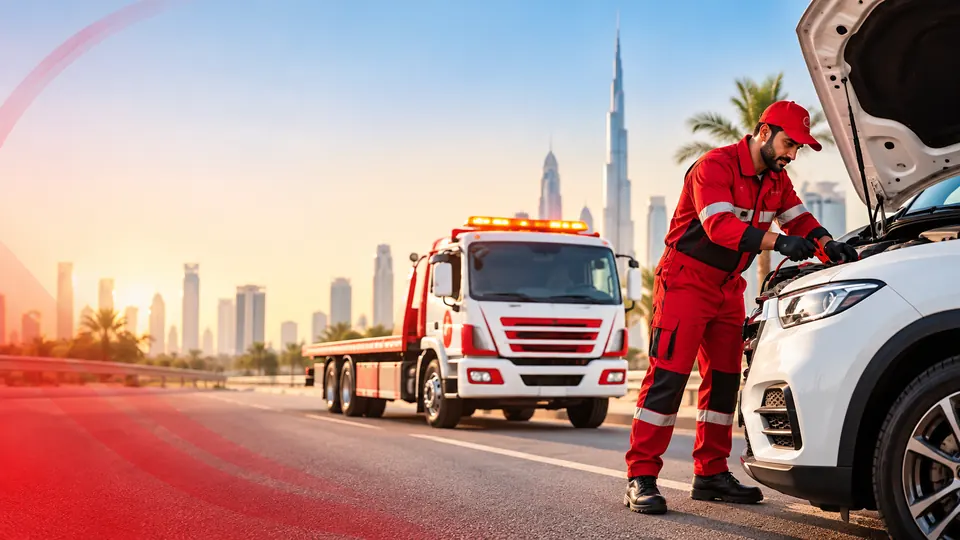
Continuing to drive an overheating vehicle can cause significant damage. A high temperature warning or visible steam calls for a safe stop and careful assessment, not opening hot pressurised parts.
Possible causes include leaks, cooling fans, pumps and other system faults, but the gauge alone cannot establish the cause. Follow your owner’s manual and warnings.
Never open a hot radiator cap or pressurised coolant reservoir. Escaping liquid or steam can cause serious burns. For smoke or fire hazards, seek appropriate emergency help.
Stop safely and follow dashboard instructions instead of hoping the warning will disappear.
Keep clear of vents, caps and hot components until professionally assessed.
Adding coolant does not guarantee the system can retain it or that driving is safe.
Overheating may have caused further problems requiring diagnosis before restarting.
Leave active traffic lanes when possible without creating greater danger.
Shut down according to manufacturer guidance and avoid touching heated components.
Do not remove hot coolant caps; have it assessed safely.
Photograph warnings only from a safe position and report leaks and steam before arranging recovery.
Even a short distance can worsen damage in severe overheating.
Pressure and boiling coolant present burn risks; follow qualified guidance.
Fan, radiator, pump and leak problems require actual diagnostic checks.
If the warning persists, leakage is evident or performance has deteriorated, transport to a workshop may be safer than driving. Loading equipment must match drivetrain and wheel condition.
Provide pickup and workshop locations, model and warning details. Equipment capacity should be established before accepting the job.
Share a precise pickup point, road direction and destination, including restricted access or parking details.
Provide vehicle type, model year, warnings and whether the transmission, brakes and wheels can move.
Mention leaks, collision damage, heat or electrical hazards; do not enter danger zones for photos.
Agree on equipment, availability, price and scope before dispatch.
Never open a hot pressurised cooling-system cap.
Safety cannot be determined remotely. Follow warnings, the manufacturer and professional advice.
Not necessarily, but continued operation can turn a manageable issue into serious damage.
After securing the scene, share your vehicle details, location and safe photos to check transport equipment and pricing where available.