
Air loss without visible damage
A puncture or valve fault may still be present; appearance alone does not prove the tyre is safe.
A rapid loss of tyre pressure demands controlled driving and a safe stop. Do not attempt a wheel change in fast traffic or continue on a damaged rim and tyre.
General guidance, not a replacement for qualified diagnosis or official instructions.
A rapid loss of tyre pressure demands controlled driving and a safe stop. Do not attempt a wheel change in fast traffic or continue on a damaged rim and tyre.
Steering pull and vibration may signal pressure loss. The correct response depends on speed and road conditions; maintain control and decelerate progressively where safe, then move away from moving traffic.
A narrow shoulder or dangerous bend is not a suitable place to jack up a vehicle. Contact the relevant authorities when exposure to traffic creates immediate danger and request qualified help.
A puncture or valve fault may still be present; appearance alone does not prove the tyre is safe.
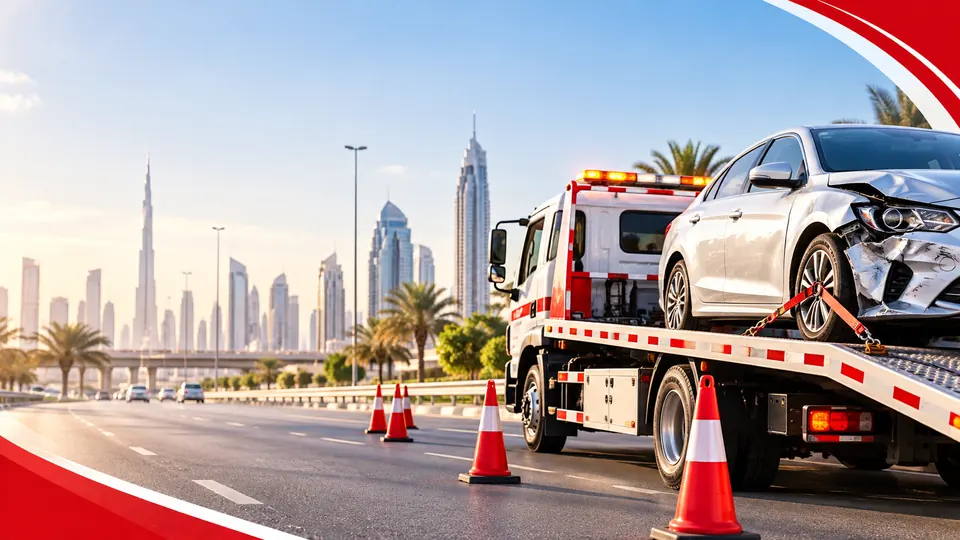
Severe damage can make carrying the vehicle safer than attempting to drive.
Report a bent wheel or abnormal wheel angle when arranging transport.
Some models have temporary repair kits with strict limitations and some have no suitable roadside option.
Avoid sudden actions that worsen loss of control; reduce speed safely in line with conditions.
Use warning lights and protect passengers in a safe location.
Jacking needs stable ground and approved lift points, not an unstable shoulder.
Identify the damaged wheel and any possible rim or suspension fault before booking assistance.
This can ruin the rim and compromise vehicle control.
Exposes occupants and other road users to a collision risk.
Sealants and kits have damage and manufacturer limitations.
Where the tyre cannot be safely changed or rim and suspension damage is suspected, vehicle transport may be more appropriate than roadside repair. Share a photo from a safe position plus vehicle details.
Not every vehicle carries a spare and mobile tyre assistance may not handle all sizes or specialised wheel systems. Verify availability before dispatch.
Share a precise pickup point, road direction and destination, including restricted access or parking details.
Provide vehicle type, model year, warnings and whether the transmission, brakes and wheels can move.
Mention leaks, collision damage, heat or electrical hazards; do not enter danger zones for photos.
Agree on equipment, availability, price and scope before dispatch.
Continuing can damage the rim and reduce control; seek a safe assessment.
Do not work in an unsafe location exposed to moving traffic.
For severe wheel damage, unsafe locations or possible rim and suspension faults.
After securing the scene, share your vehicle details, location and safe photos to check transport equipment and pricing where available.