
Wheels cannot rotate
The transmission or parking brake may be locked and loading aids might be needed.
A failed gearbox or a car stuck in Park may leave wheels unable to roll. Do not force the vehicle to move with a tow rope; transmissions, brakes and driveline components can be damaged.
General guidance, not a replacement for qualified diagnosis or official instructions.
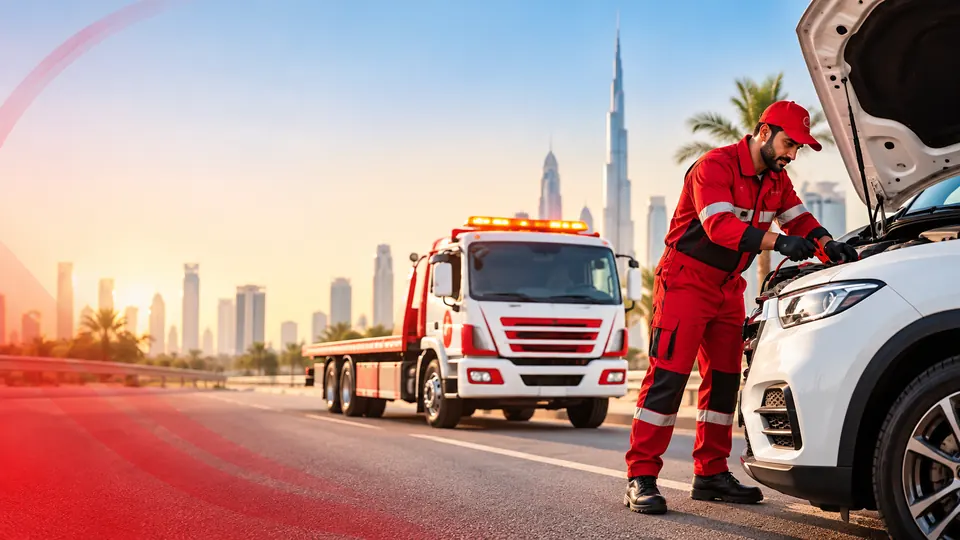
A failed gearbox or a car stuck in Park may leave wheels unable to roll. Do not force the vehicle to move with a tow rope; transmissions, brakes and driveline components can be damaged.
Symptoms include failure to select a gear, severe shifting shocks, dashboard warnings and a selector stuck in P. The underlying cause cannot be known from one symptom, and towing rules depend on the exact vehicle.
Park release and electronic parking-brake procedures vary by model. Some operations are for trained professionals or emergencies only; do not improvise mechanical release.
The transmission or parking brake may be locked and loading aids might be needed.
Electronic controls rather than a simple linkage may be involved.
Further driving may worsen damage; stop safely for proper assessment.
Towing restrictions can differ substantially from two-wheel-drive models.
Do not force the selector or continue if severe symptoms are present.
Tell the transporter if the car cannot roll or parking brakes will not release.
Some vehicles have approved park-release methods; they are not interchangeable.
Confirm transmission, drivetrain, clearance and distance before dispatch.
Can cause tyre, braking and driveline damage.
May break components or compromise safety systems.
Wheel dollies or different carrier equipment may be required.
Disclose locked wheels or an unreleasable transmission before the carrier arrives because loading tools, time and cost may change. Engine failure does not automatically mean it is safe to tow on the wheels.
For a low parking structure, include entrance height, surrounding clearance and the delivery point. Restricted access may determine which equipment is feasible.
Share a precise pickup point, road direction and destination, including restricted access or parking details.
Provide vehicle type, model year, warnings and whether the transmission, brakes and wheels can move.
Mention leaks, collision damage, heat or electrical hazards; do not enter danger zones for photos.
Agree on equipment, availability, price and scope before dispatch.
Do not force it; use the manufacturer procedure and suitable transport equipment.
The answer depends on drivetrain, wheels, model instructions and access.
Yes. Some drivetrain designs prohibit methods permitted for other vehicles.
After securing the scene, share your vehicle details, location and safe photos to check transport equipment and pricing where available.